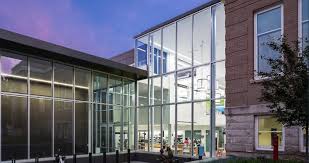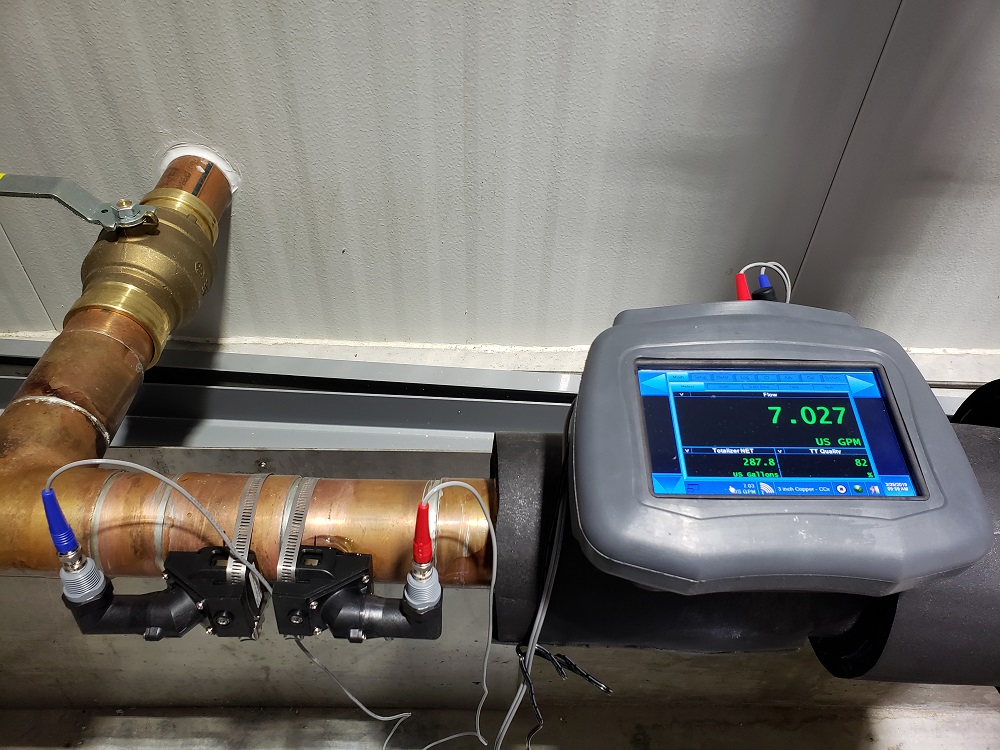
Over time, building operation is degraded if systems are not properly maintained and adjusted. Cornerstone’s Existing Building Commissioning process (EBCx), often called Retro-Commissioning, uncovers costly hidden performance issues.
Our methodologies include investigation, evaluation, remediation, and verification. The benefit of EBCx services has provided owners with long-term environmental stability in many mission-critical facilities.
To address the diverse needs of different facilities, three primary types of existing building commissioning services are utilized: Retro-Commissioning, Recommissioning, and Monitoring-Based Commissioning.
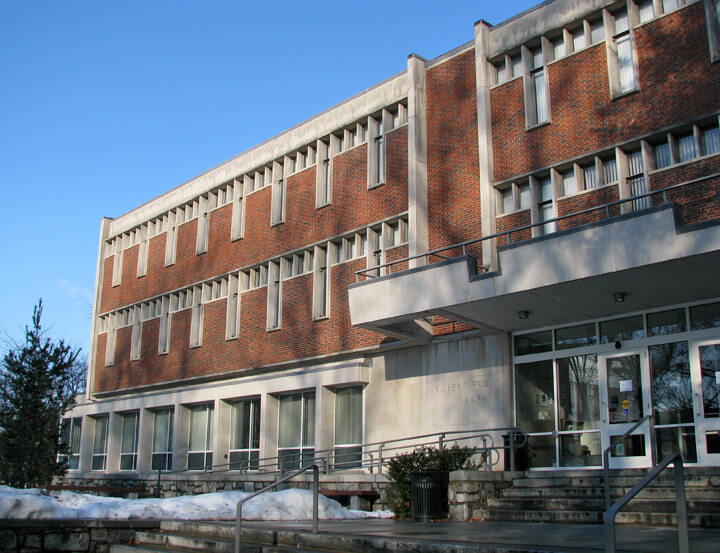
University of Massachusetts Amherst
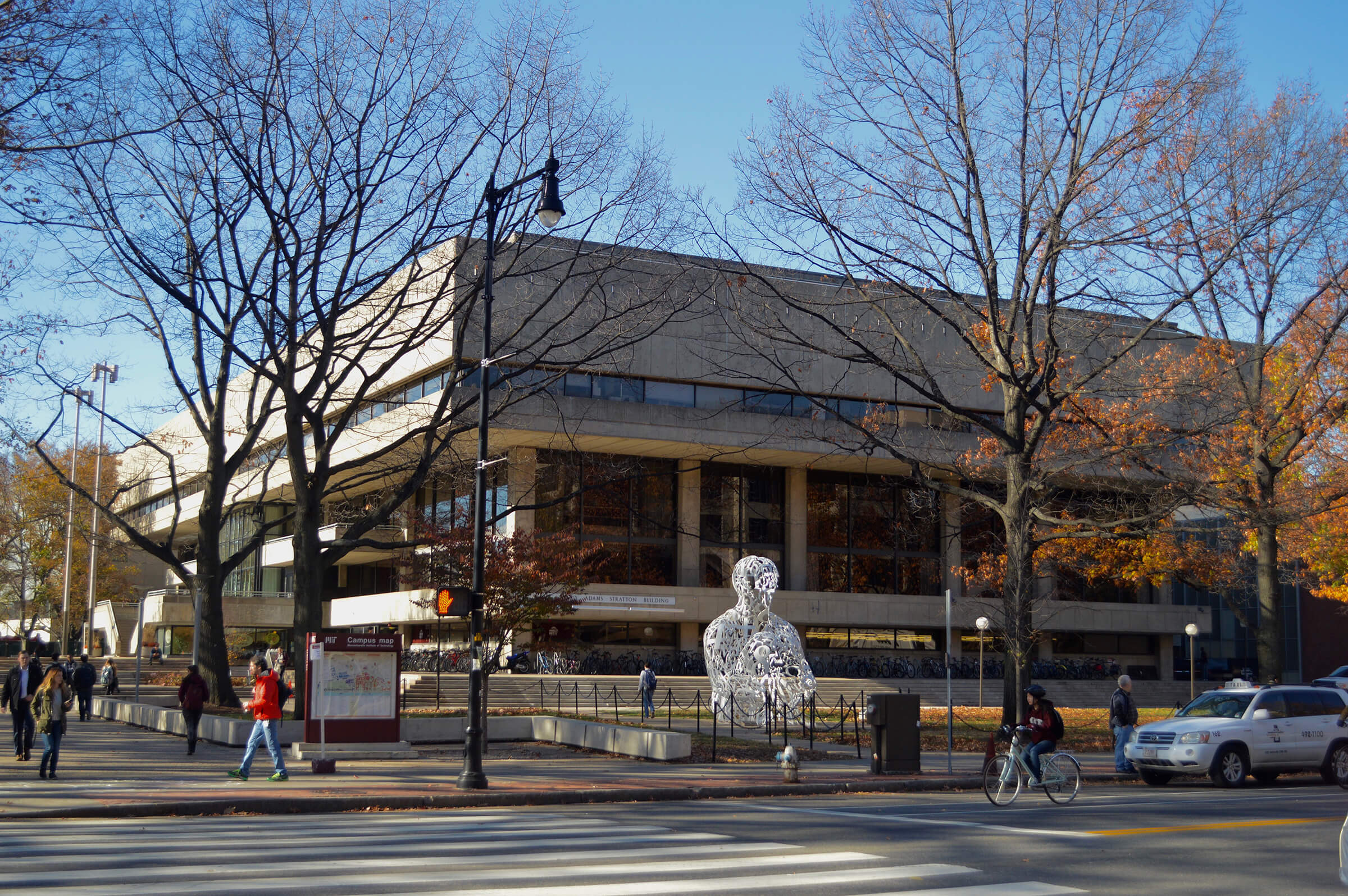
Hy-Vee Supermarket Short Cuts Facility
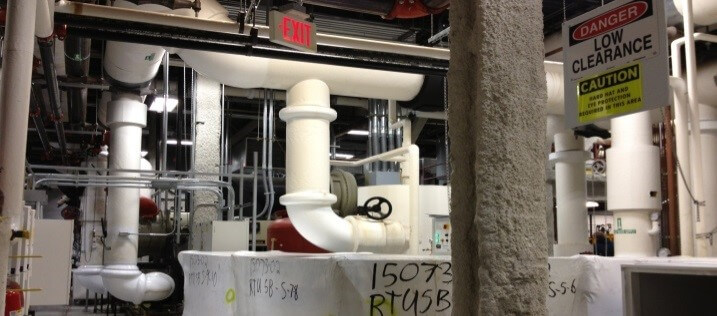
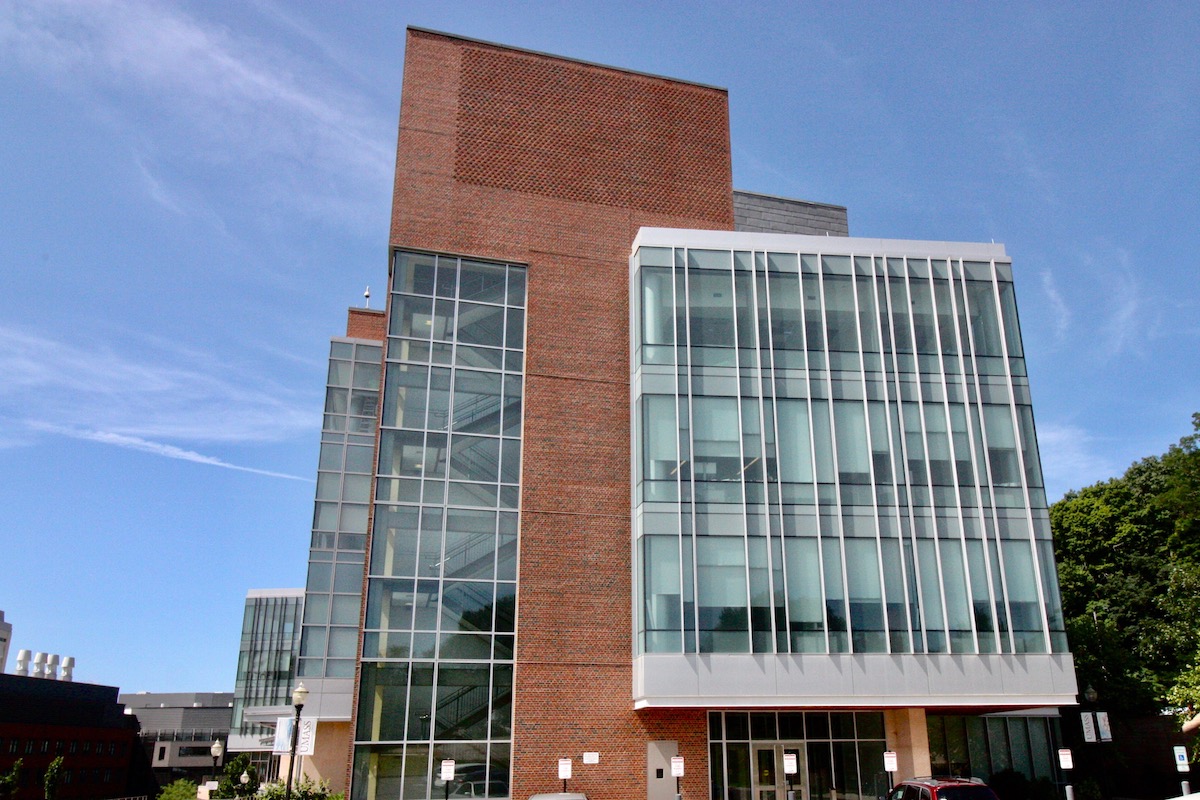
Novartis Institutes for Biomedical Research
Retro-Commissioning Services
Retro-Commissioning (RCx) is applied to buildings that have not been previously commissioned. This process aims to improve performance by optimizing existing systems and upgrading to more energy-efficient equipment. RCx typically involves planning, investigation, implementation, and verification phases. It addresses energy usage and performance issues, implementing measures to reduce operation and maintenance costs while enhancing system functionality. RCx is ideal for fixing inefficiencies due to design flaws, construction issues, or system degradation over time. Cornerstone’s retro-commissioning solutions uncover hidden performance issues that can result in significant cost savings.
Recommissioning
Recommissioning is for buildings that were previously commissioned. It can be part of a scheduled process or triggered by changes in building use, operational problems, or renovations. Over time, even the most efficient systems deteriorate. Recommissioning ensures these systems continue to operate at optimal performance, making it suitable for facilities experiencing performance issues or changes in operational requirements. Cornerstone’s recommissioning services ensure that building systems are fine-tuned to meet current operational needs.
Monitoring-Based Commissioning
Monitoring-Based Commissioning (MBCx) ensures ongoing energy savings and performance benefits. MBCx uses analytical software to continuously monitor critical equipment components by mining key data from the building automation system and then analyzing that data to find issues and recommend solutions. This allows for real-time detection and reporting of malfunctions, as well as ongoing observation of energy consumption and performance. MBCx is a cost-effective service that provides long-term efficiency and sustainability, maintaining the benefits of the initial commissioning process. Cornerstone’s use of advanced monitoring tools from Clockworks ensures continuous optimization and proactive maintenance.
Our team is passionate about building performance, providing independent checks to ensure facilities function as designed. For more information and to get started with the commissioning process, contact Cornerstone Commissioning today.
Cornerstone follows a structured and data-driven existing building commissioning process designed to identify performance gaps and verify that systems align with current operational goals. This process is tailored to each facility, but typically includes the following key phases:
This structured commissioning process allows owners to move beyond assumptions and gain verified insight into how their buildings operate today.
A well-executed existing building commissioning effort delivers measurable results that extend beyond immediate fixes. By addressing system inefficiencies and operational gaps, owners and facility teams can achieve:
These outcomes are especially valuable across commercial buildings and complex facilities where system performance directly impacts daily operations and long-term costs. By focusing on real-world performance, building commissioning becomes a strategic tool for operational improvement.
Existing building commissioning plays a key role in supporting sustainability goals and long-term asset management strategies. By optimizing system performance, facilities can reduce energy waste, support ESG initiatives, and align with energy benchmarking requirements and regulatory expectations.
Beyond sustainability, commissioning helps protect long-term building value. When systems operate as intended, facilities experience fewer disruptions, improved reliability, and better alignment with evolving operational demands. This positions owners to make informed decisions about upgrades, capital planning, and lifecycle investments.
There are several common indicators that a facility may benefit from existing building commissioning services. These include:
In many cases, these triggers point to underlying system inefficiencies that can be identified and addressed through commissioning. For facilities seeking continuous insight, approaches like monitor based commissioning can provide ongoing performance visibility and optimization.
Contact us to learn how Cornerstone Commissioning can support your next step toward improved performance.
Cornerstone supports the commissioning of existing building infrastructures and specialized facilities. Our clients include higher education, life science, healthcare facilities, government agencies and commercial buildings. Building and system types include laboratories, vivaria, office buildings, classrooms, athletic facilities, libraries, museums, housing, hospitals, utility plants, and HVAC systems and building controls.